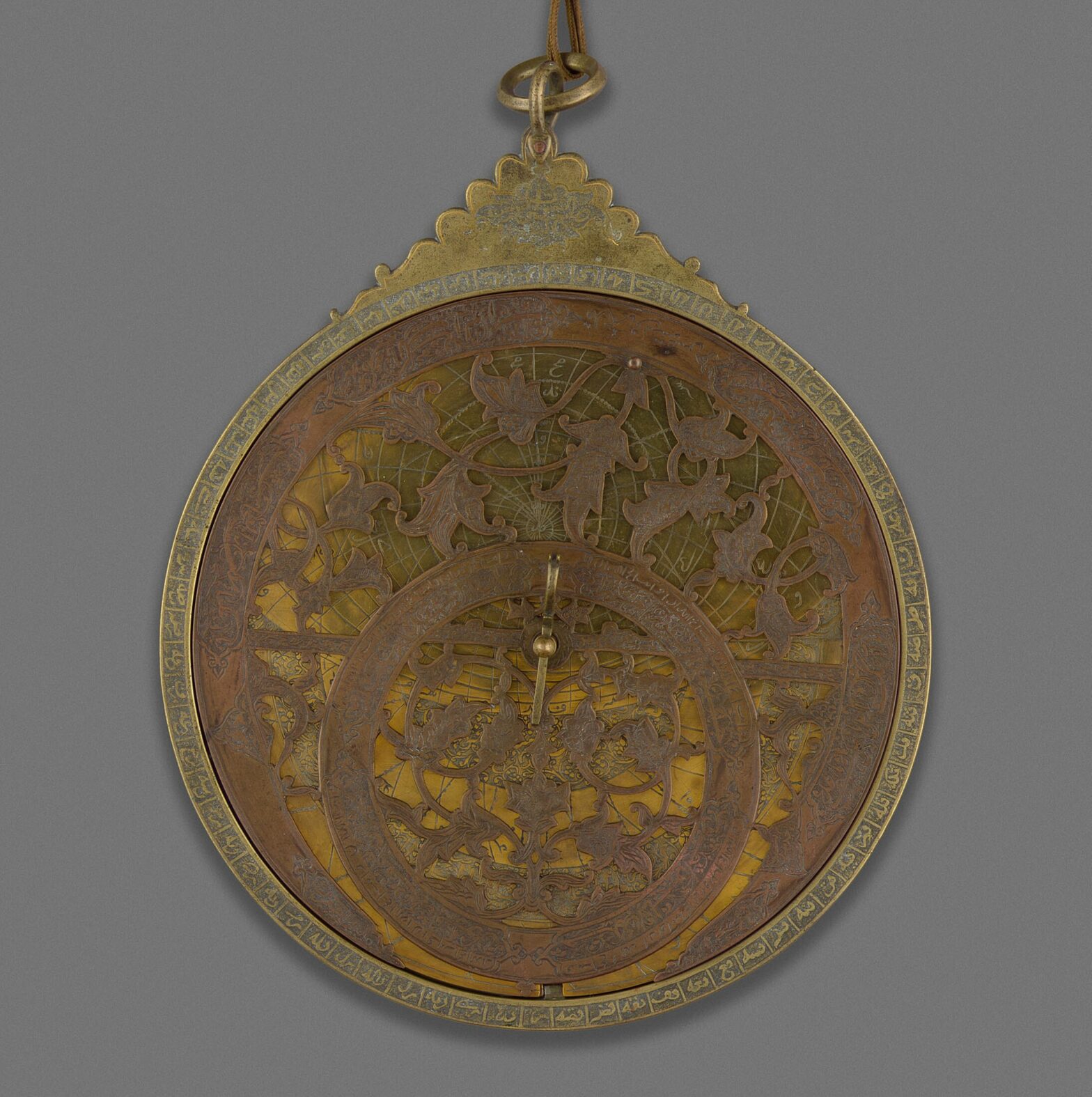
This seminar will address various theoretical and methodological approaches to the study of the Modern Middle East. We will pay particular attention to how theoretical innovations such as post-Orientalism, World Systems theory, postcolonial theory, and subaltern studies have transformed the nature of historical debates on the modern Middle East.
Category: Teaching
Postcolonial Histories and Theories
This course will provide a critical theoretical “toolkit” for the general study of colonial and postcolonial histories and theories. In addition to providing a basic grounding in theories of the decentered subject and theories of ideology, we will also explore texts that help us conceptualize colonialism as an historical, political, and psychological experience.
Approaches to Critical Theory
This course will introduce students to some of the key approaches in modern and contemporary critical theory. Rather than provide a comprehensive survey, the course will pair canonical texts with critical departures and reworkings by later theorists.
Psychoanalysis as Theory and Practice
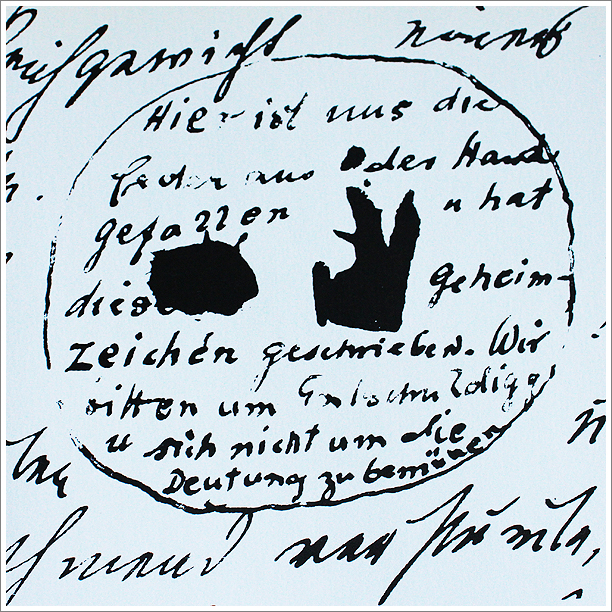
This course will serve as an introduction to the psychoanalytic tradition through a reading of its foundational Freudian as well as post-Freudian texts. Centered on the “so-called Copernican revolution to which Freud himself compared his discovery,” we will attend primarily to the lineaments of the unconscious.
Colonialism & Psychology
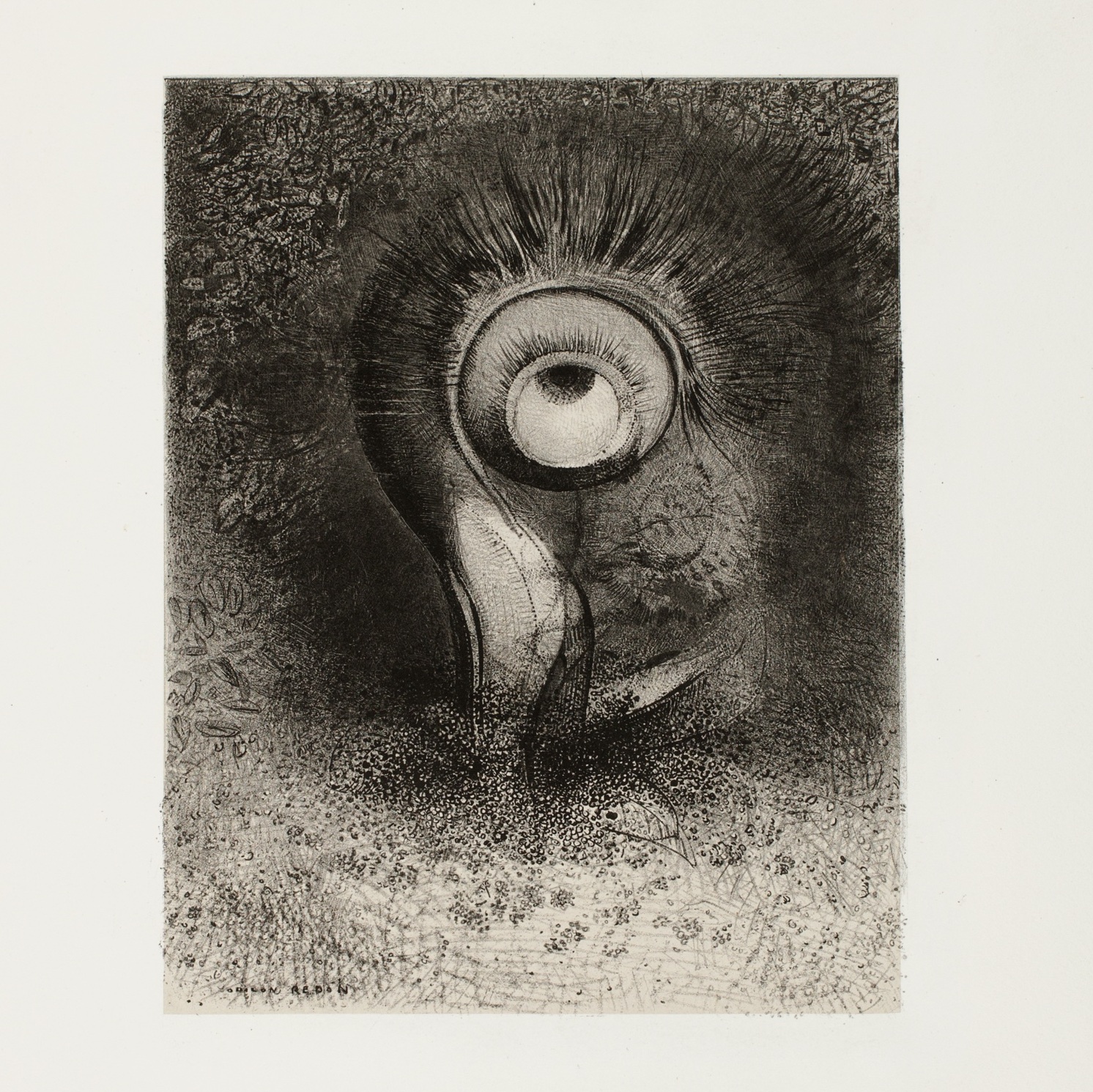
Our seminar will be a thematic exploration of colonialism as an historical, cultural, and, above all psychological experience. We will explore topics such as the relation between Self and Other (Colonizer and Colonized) in the colonial encounter; the psychoanalysis of race and racism; violence and decolonization; psychopolitics; gender, language, and the intimacy of the colonial encounter; and the psychic life of the postcolony.
Cairo, 1850–Present
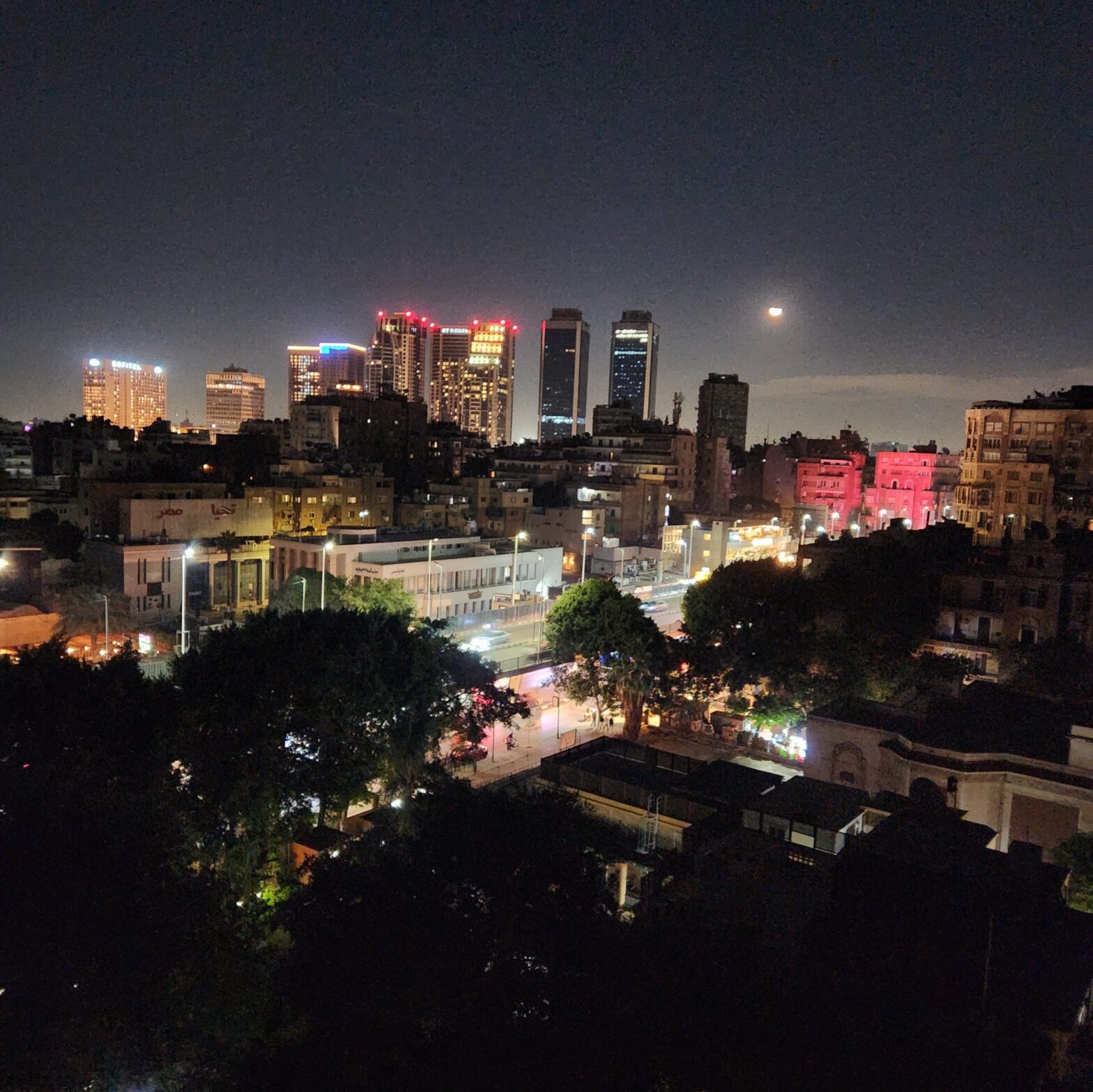
This course explores the history of Cairo from the middle of the nineteenth century to the present. We examine various facets of modern Cairo ranging from architectural modernism to urban expressions of Christian and Muslim piety, while focusing on the principal political, cultural, and social factors that have shaped the city.
Middle East in the Twentieth Century
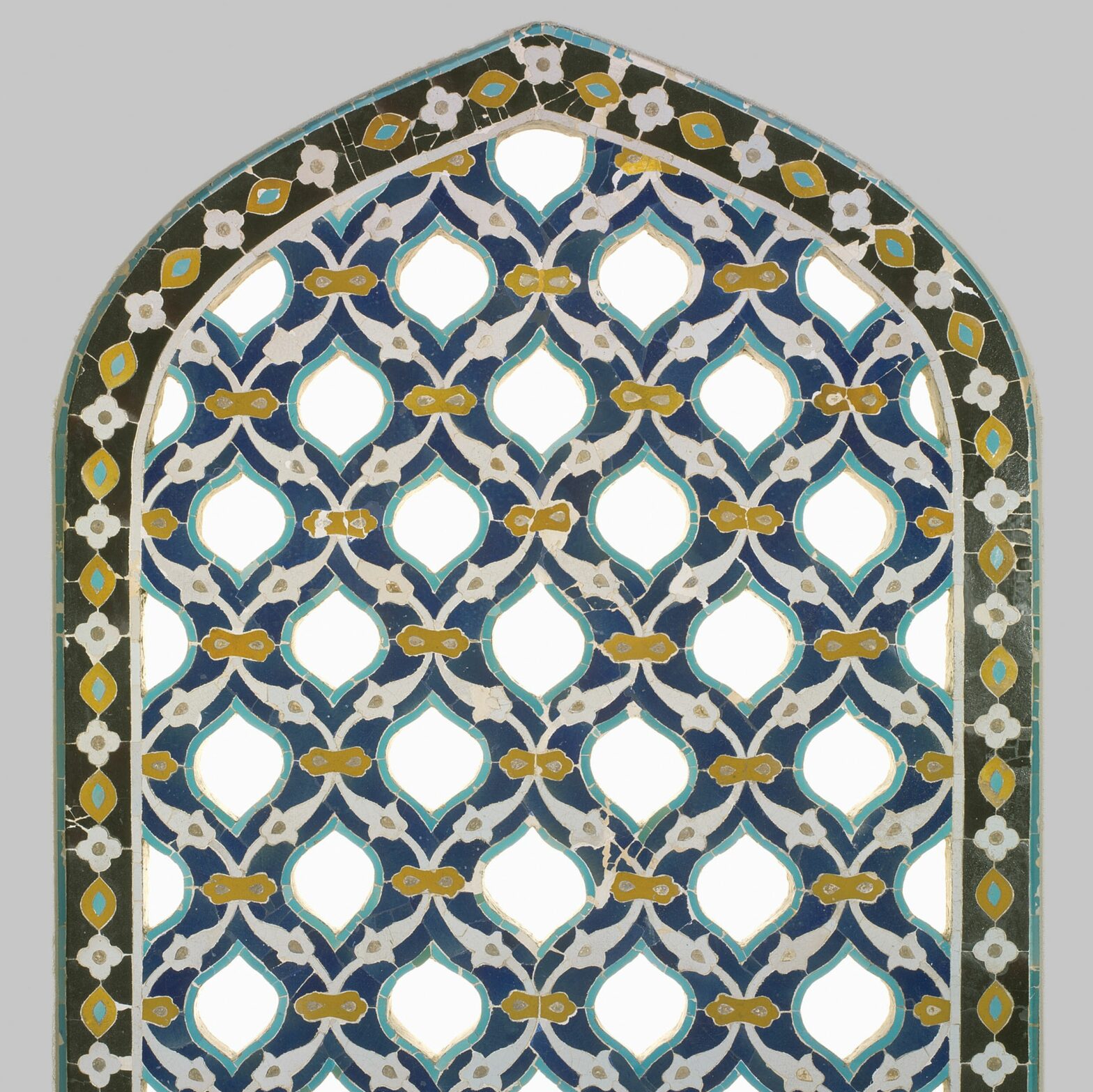
This course explores the history of the Middle East from the turn of the twentieth century to the present. Rather than narrate the history of the twentieth century Middle East as a series of wars and conflicts, however, we will focus on the principal intellectual, cultural, political, and social factors that have shaped the countries of the Middle East.
The World Since 1850
This is a course in the history of the world since 1850 that will highlight five themes: the global formation of capitalism and industrialism; warfare and techno-politics; the rival ideologies of liberalism, fascism, and communism; anticolonial nationalism, decolonization, and revolutionary struggles; and the current global catastrophe.
Colonialism, 1492–Present
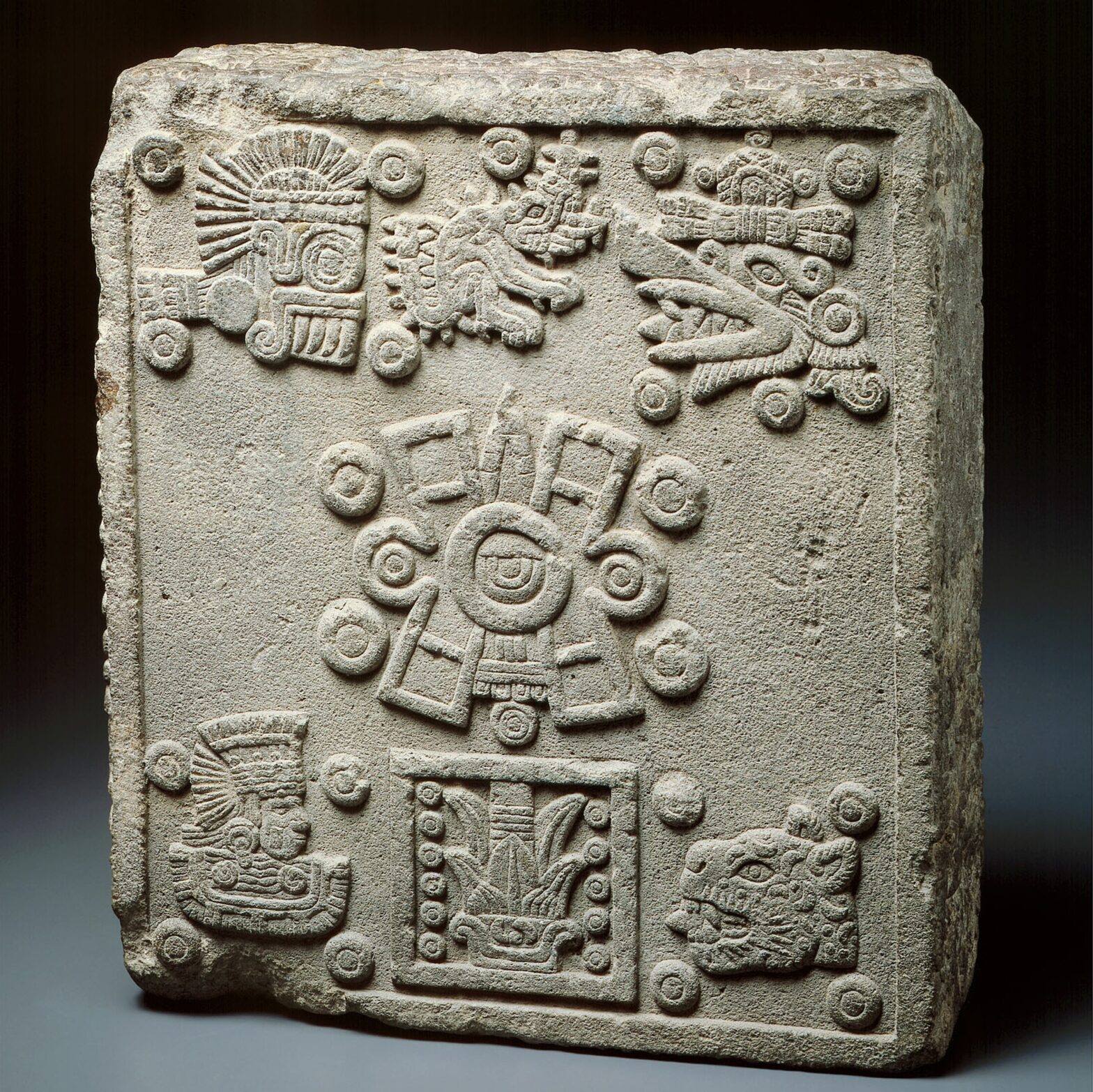
This course will be a thematic exploration of colonialism as an historical, political, cultural, and psychological experience. We will highlight struggles between Europeans and colonized peoples and think historically about global structures of inequality, that is to say, the exploitation of human difference within capitalism and colonialism.